Turner NextGen AI
Structural Audits
Strategic Leverage Through Architectural Intelligence
Request Strategic Leverage AnalysisStructural Audit
- Different teams use different prompts
- Different departments use different tools
- Different executives interpret outputs differently
- No shared architecture exists
- If your AI adoption feels powerful individually but fragmented collectively, you’ve completed foundation. You haven’t built architecture.
You need to reduce strategic drift and decision friction so your time compounds instead of evaporates.
Your company is not underperforming.
It is under-aligned.
You Don’t Have an AI Problem.
You Have a Structural Problem.
• Your teams are using AI — but not coherently
• Your vendors are evolving faster than your governance
• Pricing models change overnight
• Departments operate in different modes
• Decisions take longer despite better tools
• You feel acceleration — but not leverage
AI is accelerating complexity.
We reveal leverage, misalignment, and hidden exposure before they become expensive.


We Diagnose and Assess Your Structure. Not Software
We conduct a Strategic Leverage Analysis to identify:
• Mode misalignment across leadership and departments
• Vendor and model dependency exposure
• AI fragmentation and tool sprawl
• Decision friction and velocity constraints
• Scenario volatility risks
• Hidden leverage opportunities
This is not a financial audit. It is a structural clarity engagement.
-
Structural Risk Exposure
-
Structural Opportunity Expansion
Audit for Your Future
• Strategic Mode (vision, scale, risk)
• Operational Mode (process, repetition, stability)
• Survival Mode (fear, protection, job security)
• Innovation Mode (experimentation, exploration)
• Protection Mode (compliance, legal, HR guardrails)
The friction happens when:
Leadership is in Expansion Mode
while staff is in Survival Mode.
If your leadership team is planning for scale but your organization is still operating in stability or survival mode, AI will amplify friction — not performance.
Architectural Intelligence for Companies Navigating AI-Driven Volatility
Robotics Book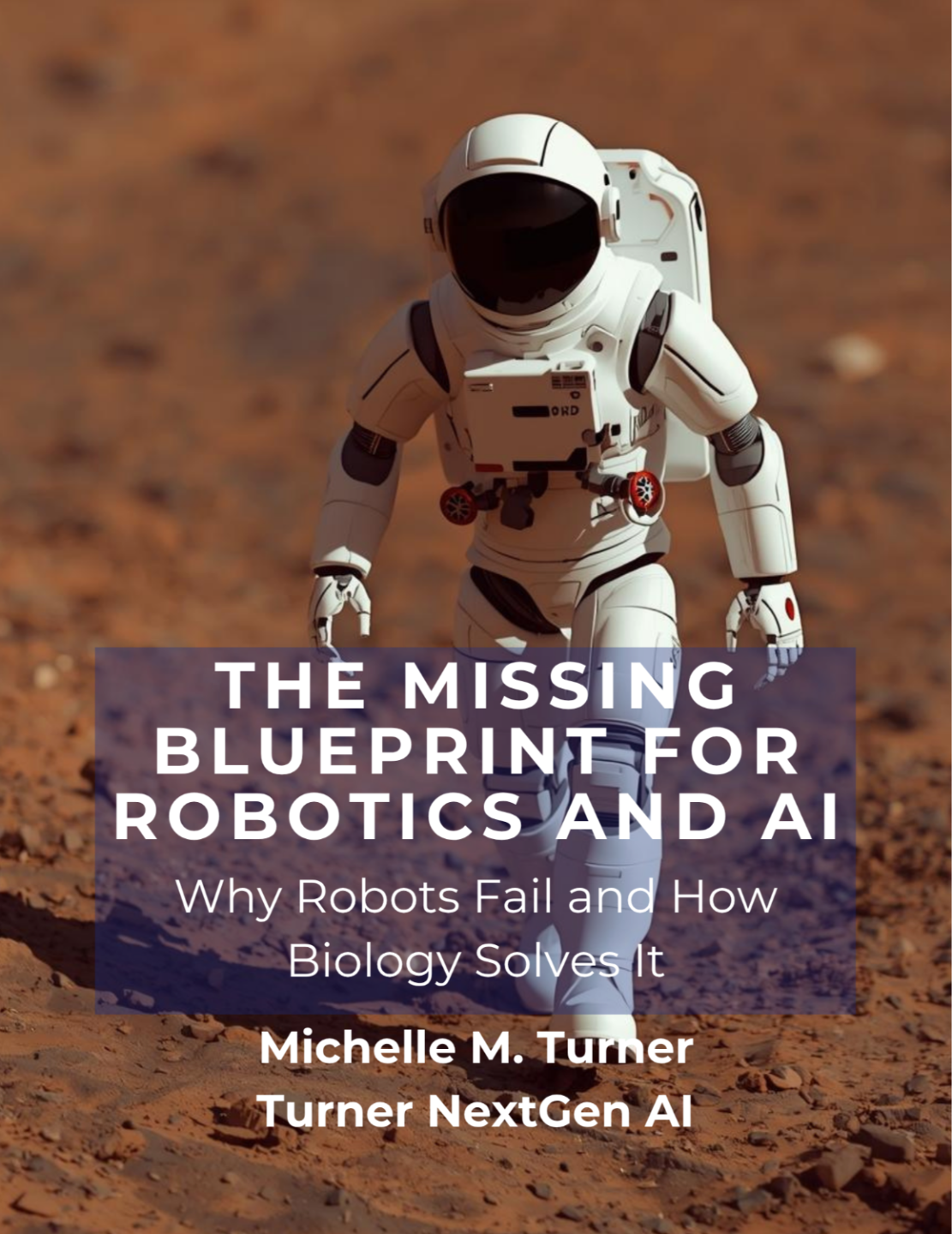
AI → Amplification → Fragility Exposure → Architectural Stabilization
Enter your name and email address, and we will email you the file!
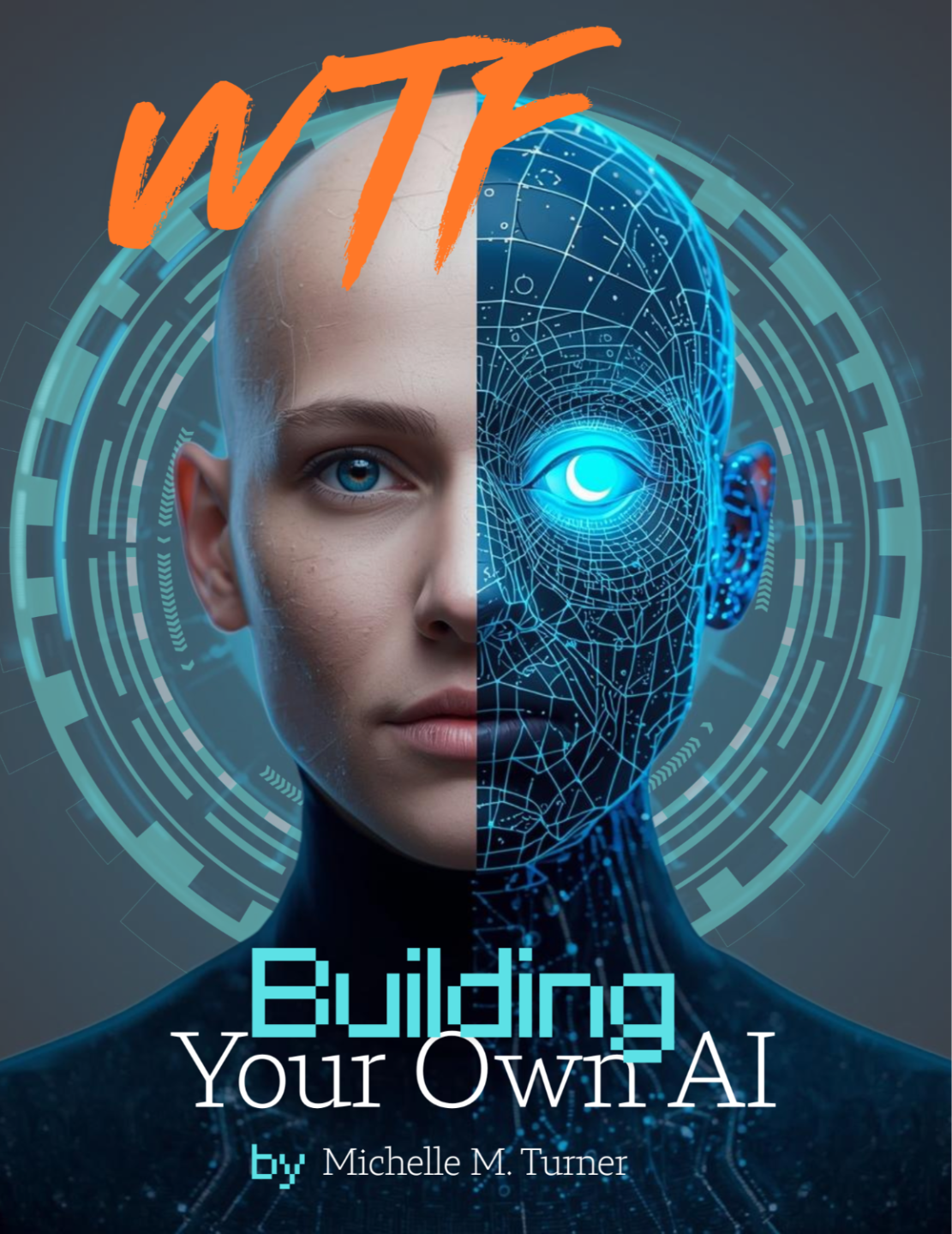
WTF: Building Your Own AI
Most AI systems optimize output. They perform until conditions change, then they collapse. Now you can build your own AI versus on other versions that were supposed to work for you not with you.
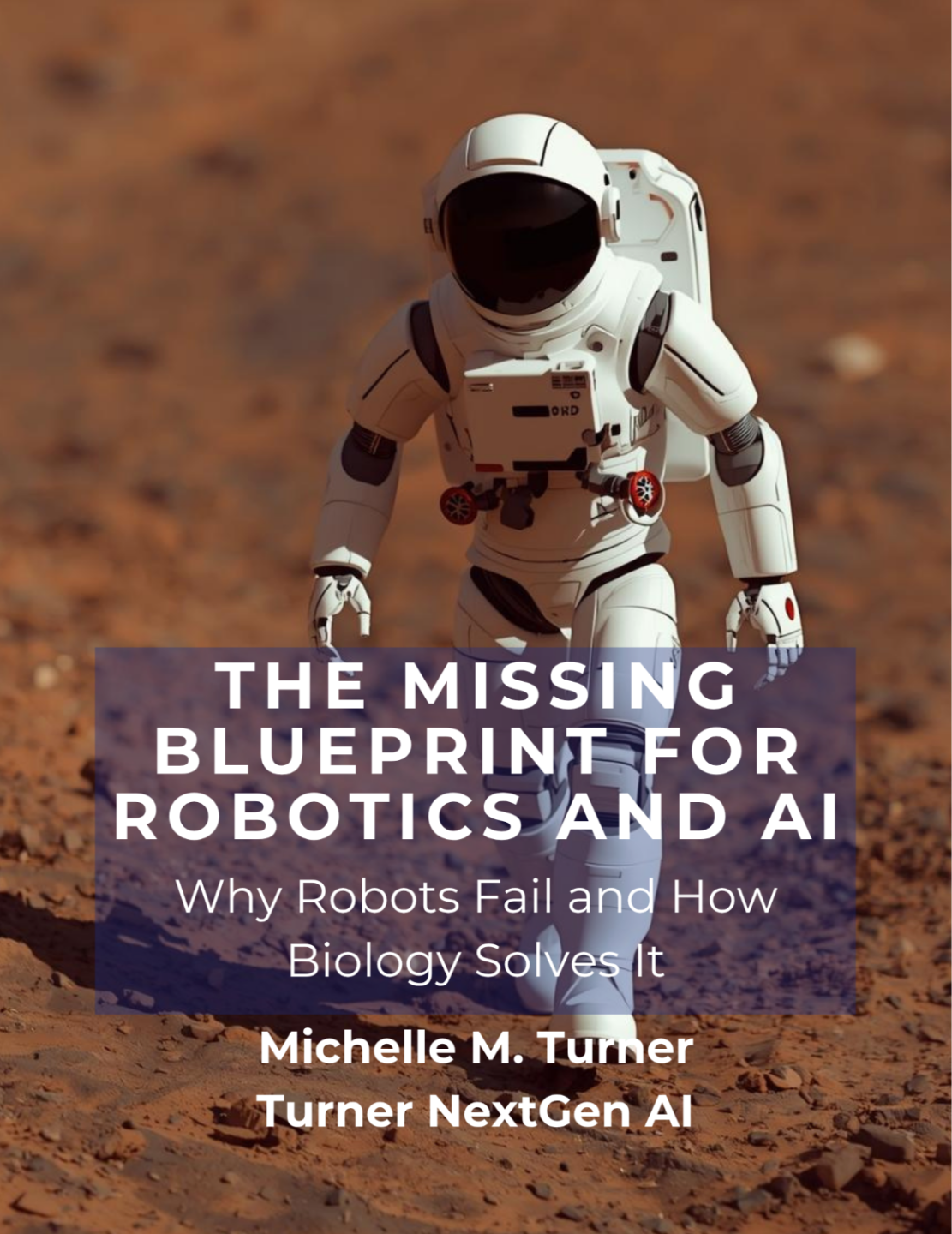
The Missing Blueprint for Robotics and AI
Robotics and AI are not ground in movement. They can't talk to each other because of their architecture. Know the reasons why you hit your limits.